
By Dave Windust
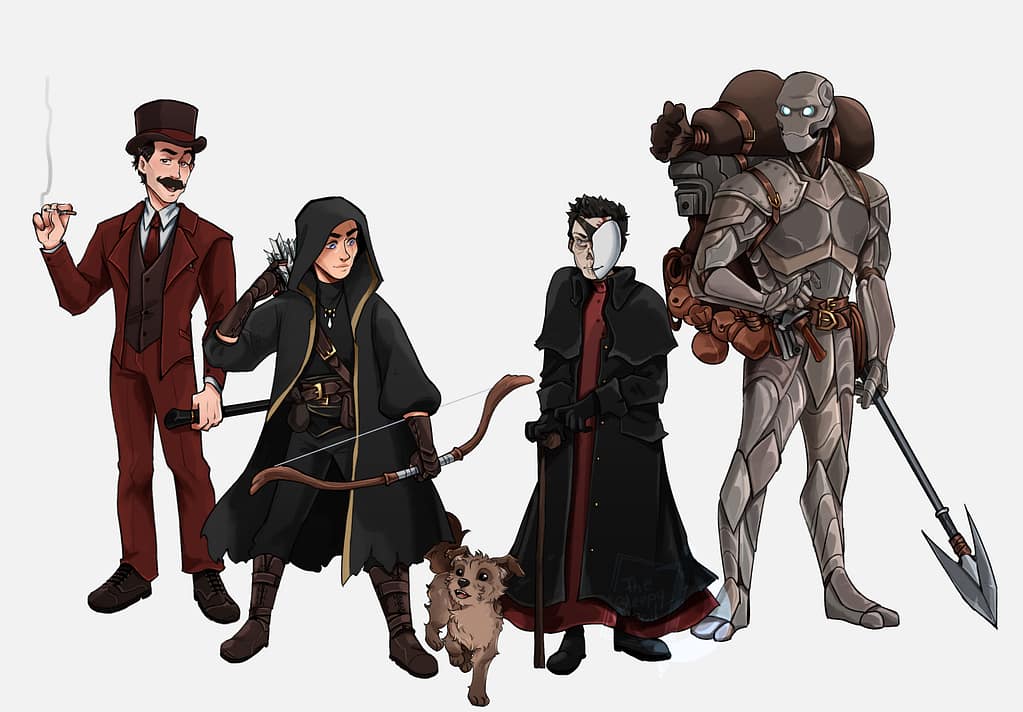
In our Small Embers D&D campaign, we have played characters of six different D&D classes (so far). Having done it for a long period of time, we have come to understand the pros and cons of each. So, if you are new to D&D or thinking about what class to try out next, here’s what we have learned:
Druid (Petren Oakflower)
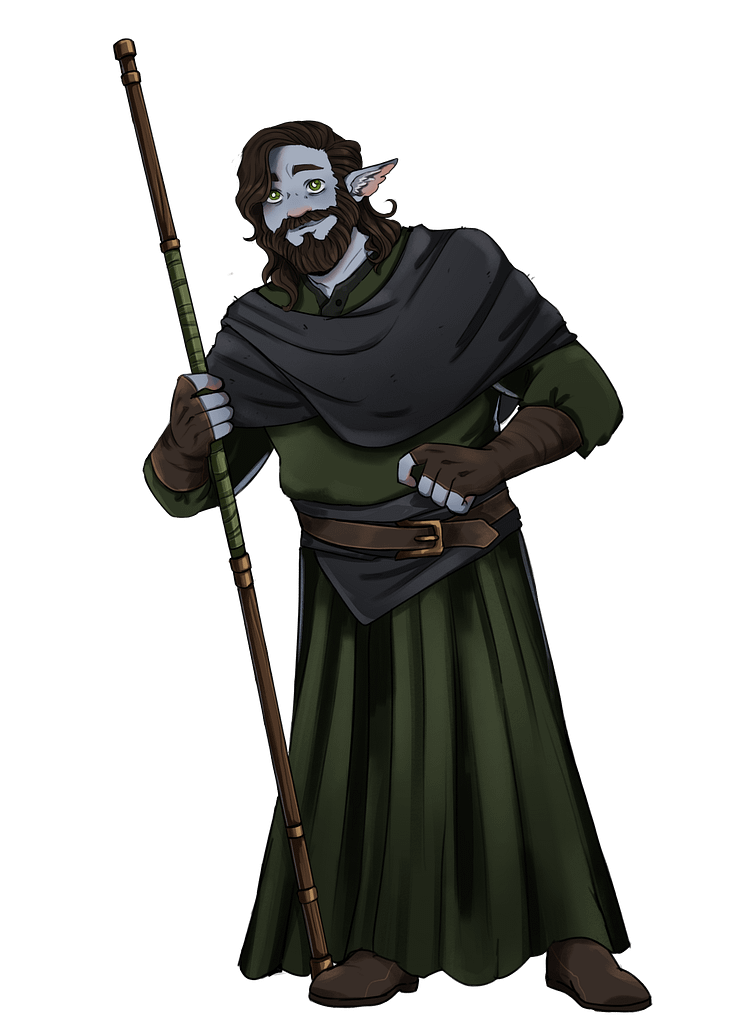
Positives: Lots of unique abilities that no other class has, with their druidic circle features, which is lots of fun to play around with. Druids have good versatility and can work well as a party’s healer as well as having useful battle magic. Their alignment with a deity can lead to lots of interesting story elements too.
Biggest challenge: The way spellcasting works. For druids, this is somewhat complex – preparing a limited selection of spells at the start of each day based on your level. Aligned with druidic circle features that can be used a certain number of times per long rest, there’s quite a lot to manage for a new player, or someone who likes to “turn up and play” rather than enjoying the prep.
Artificer (Tock)
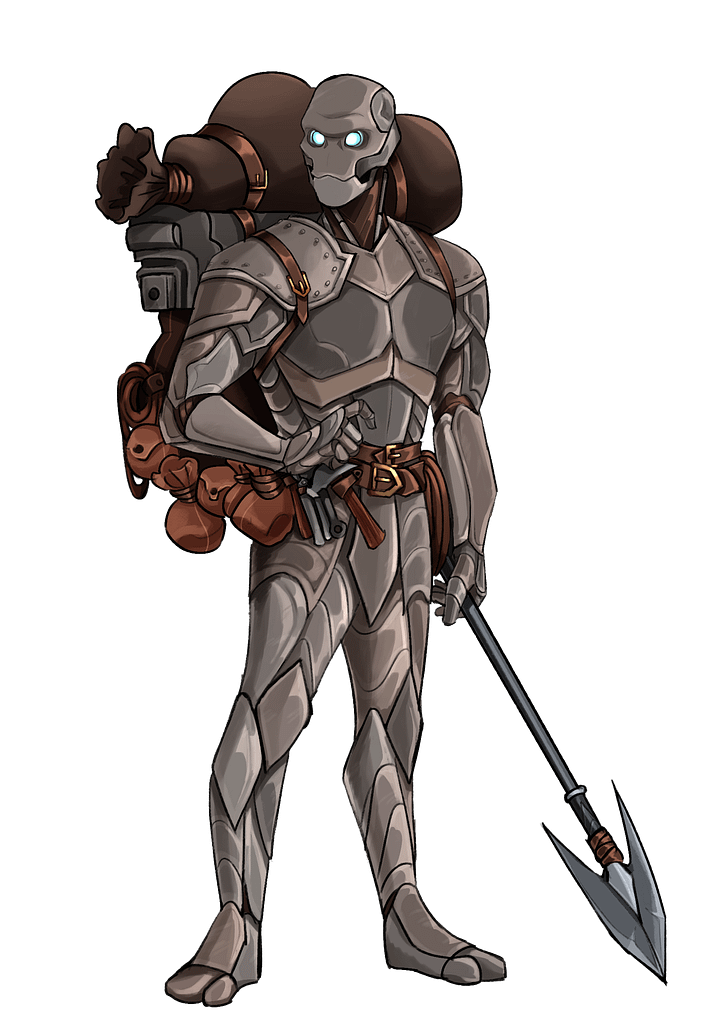
Positives: There is so much they can do! If you are a player who enjoys the downtime as much as the in-session play, there are hundreds of activities you can set up and have running; experimenting, creating equipment and magical gear, researching in-world materials. An artificer can create and enhance the party’s kit and show up with amazing surprises.
Biggest challenge: There is so much they can do! It is hard to make the most of being an artificer – you have to really want to dig in, explore possibilities, engage deeply with the rules and keep records of what you are doing, how long it will take and what the costs are. It’s definitely not for everyone.
Fighter (Seeksorrow)
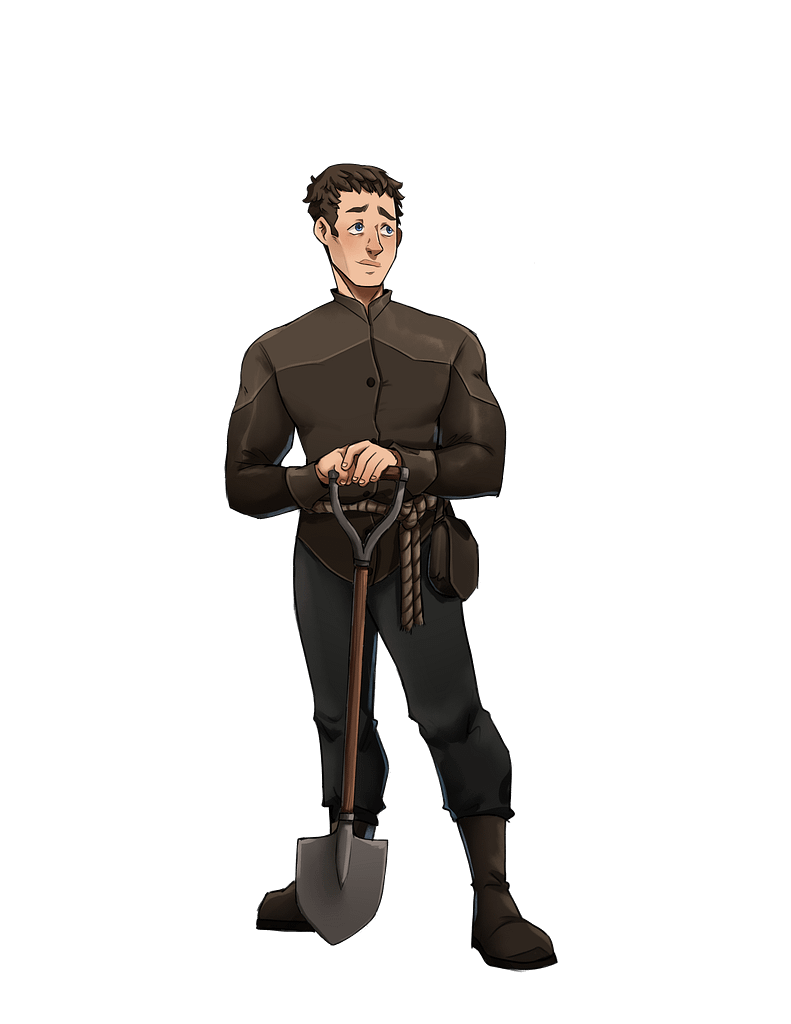
Positives: Ease of picking up and playing. This is one of the more straightforward character classes, so there’s not too much to manage in the background and you can concentrate on having fun and delivering enormous damage during battles.
Biggest challenge: The potentially limiting nature of the class. Because fighters are quite straightforward, there is maybe less space to grow. So you might find yourself looking around enviously at the perks, skills and magic your friends receive during leveling up, when you simply got better at fighting again.
Wizard – with a bit of homebrewing (Vander Finnick)
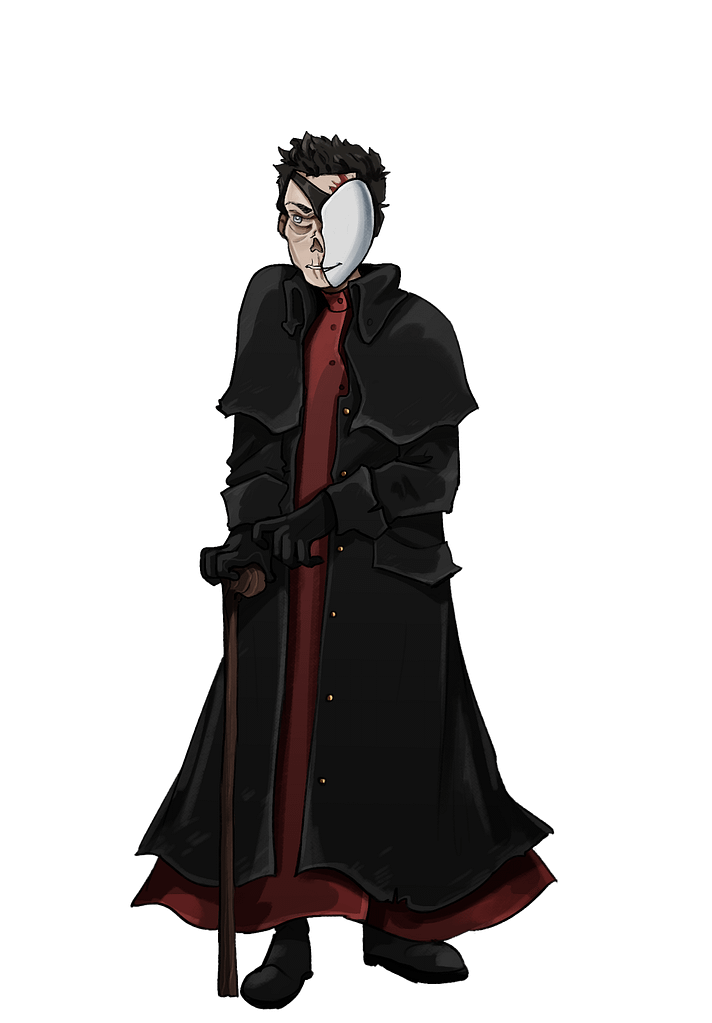
Positives: Playing with magic! Wizards have the biggest range of magic available within D&D classes, and as you level up you get to play with more and more of the spellbook, which can be a delightful way to exercise your creativity.
Biggest challenge: Squishy. To balance out their magical power, wizards tend to be low on hit points and vulnerable to attacks. So, if you are not careful, your mighty mage can get struck down quickly. Luckily for us, Vander is both very careful and cannot die. Maybe.
Paladin (Augustus Zeno)
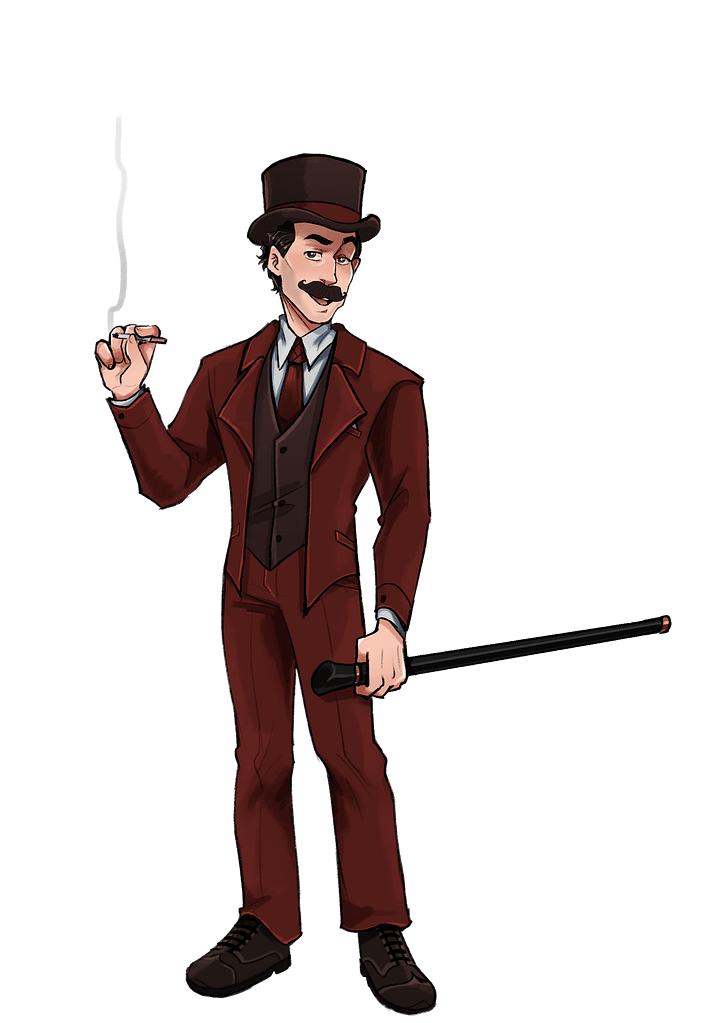
Positives: Of all D&D classes, paladins are the powerful all-rounder. Paladins tend to be extremely handy in a fight, while having healing skills and a spot of magic imbued by their god. Perfect for the player that wants a bit of everything.
Biggest challenge: Their close relationship with their deity can define their behaviour a bit. So, as a player you might find this limits your decisions (you can’t do anything too ruthless if you’re aligned with the god of justice for example). You might also come into conflict with other members of your party, and have to work out how to manage that.
Rogue (Bennie Quez)
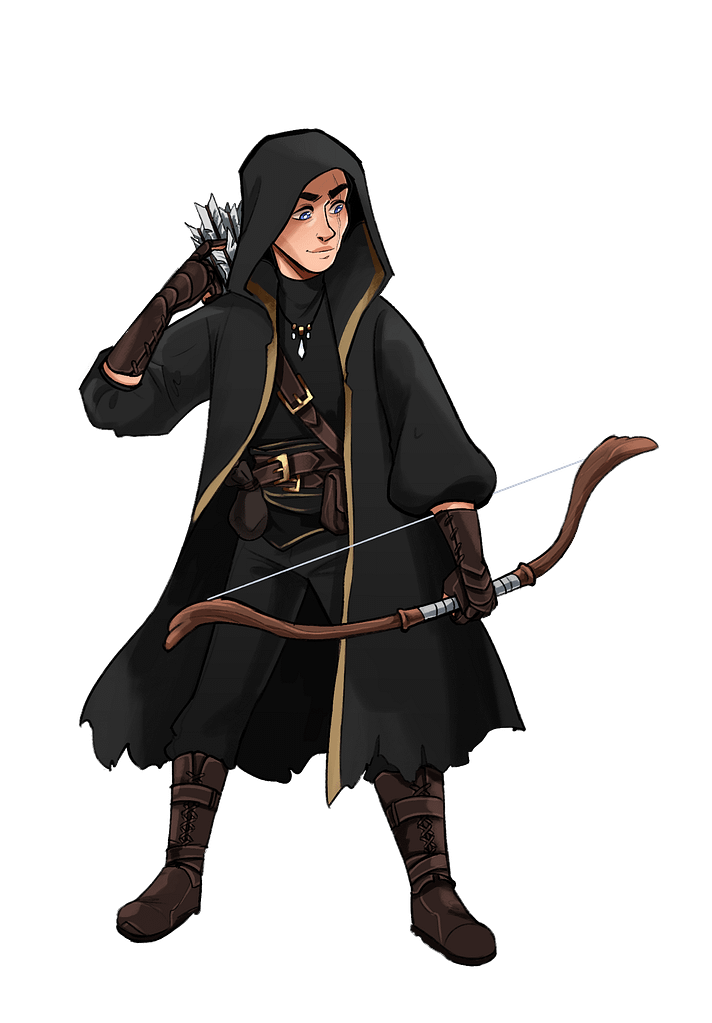
Positives: Lots of tricks in their bag that are useful in a range of settings – sneak attacks, stealthing around, picking locks, disarming traps, fraternising with the criminal underworld. Rogues provide great opportunities to approach challenges in unusual ways.
Biggest challenge: Getting another member of the party to go into a dangerous location first for a change…
- For more from Dice Company, listen to our latest episode, go all the way back to chapter one, join our wonderfully welcoming Discord community (the DiceCord), check out our Patreon and sign up for email updates below…